✓ Humidity Disease Risk
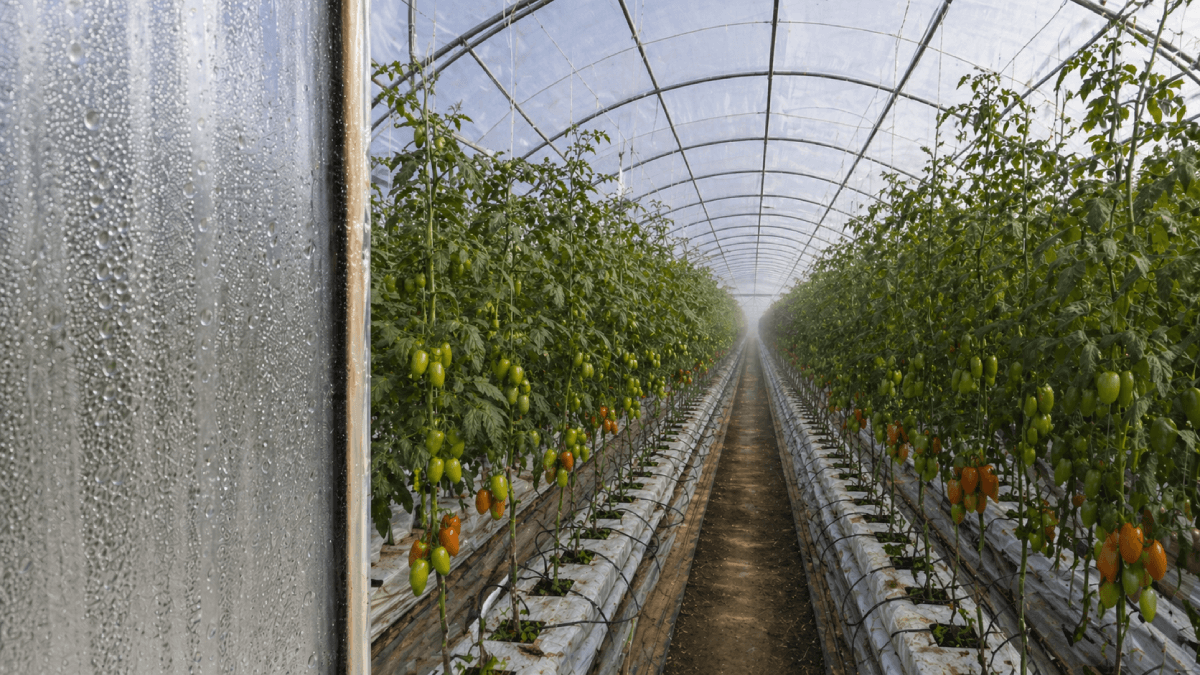
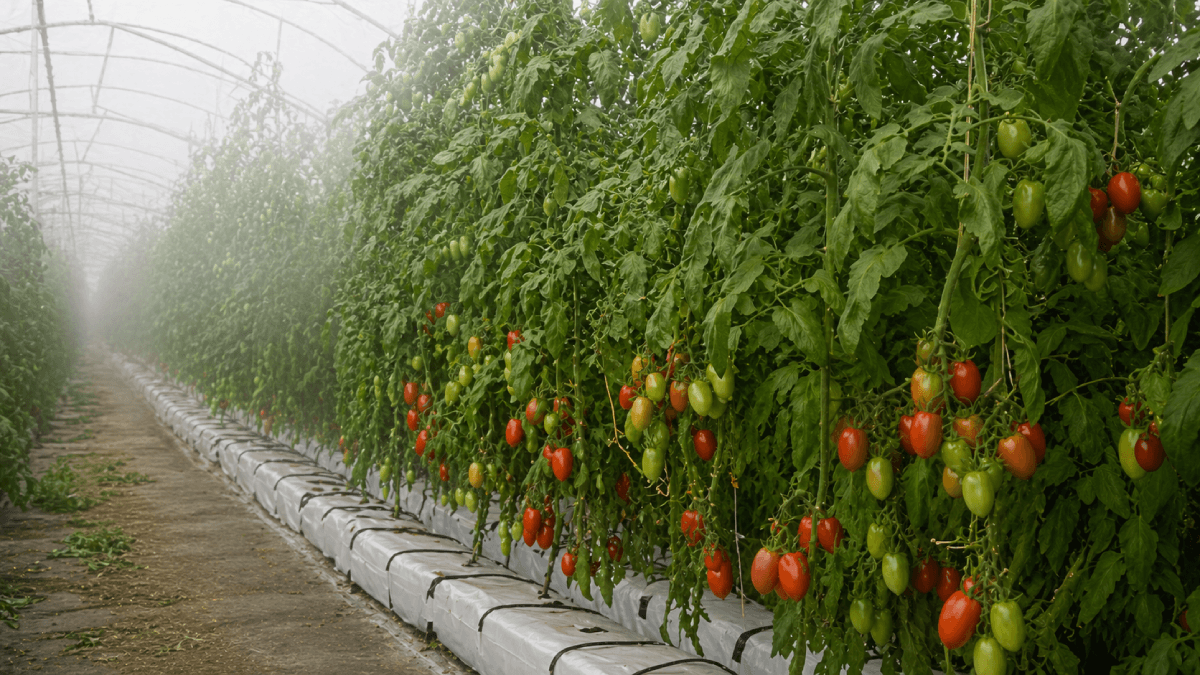
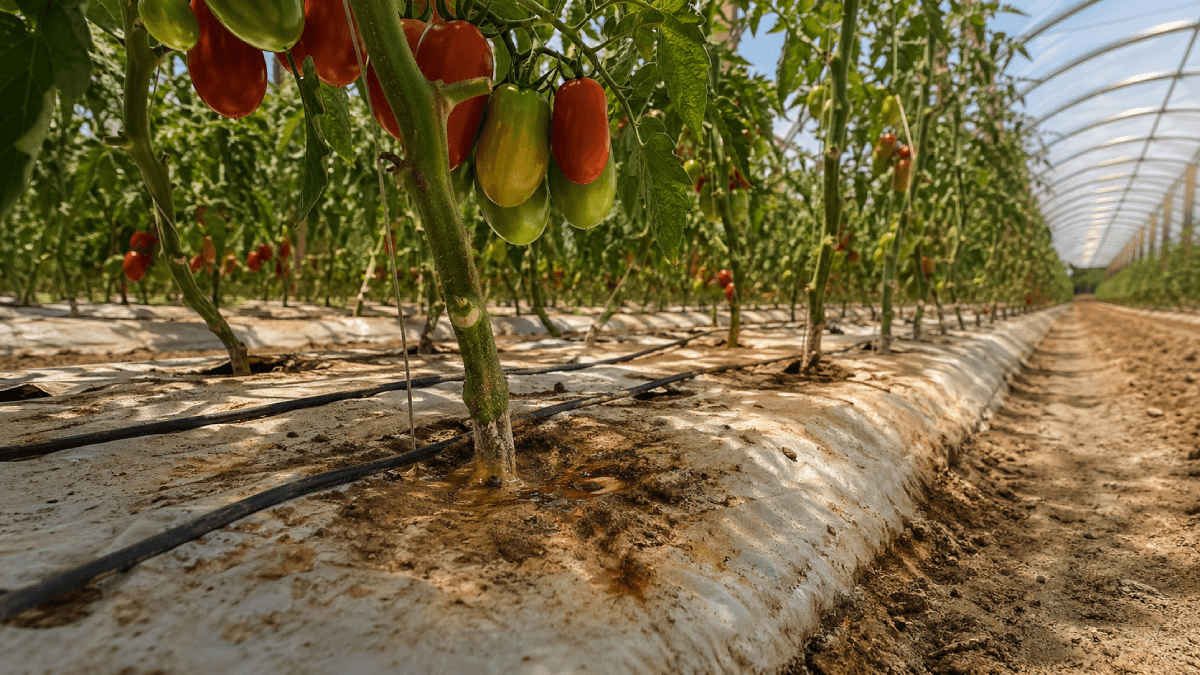
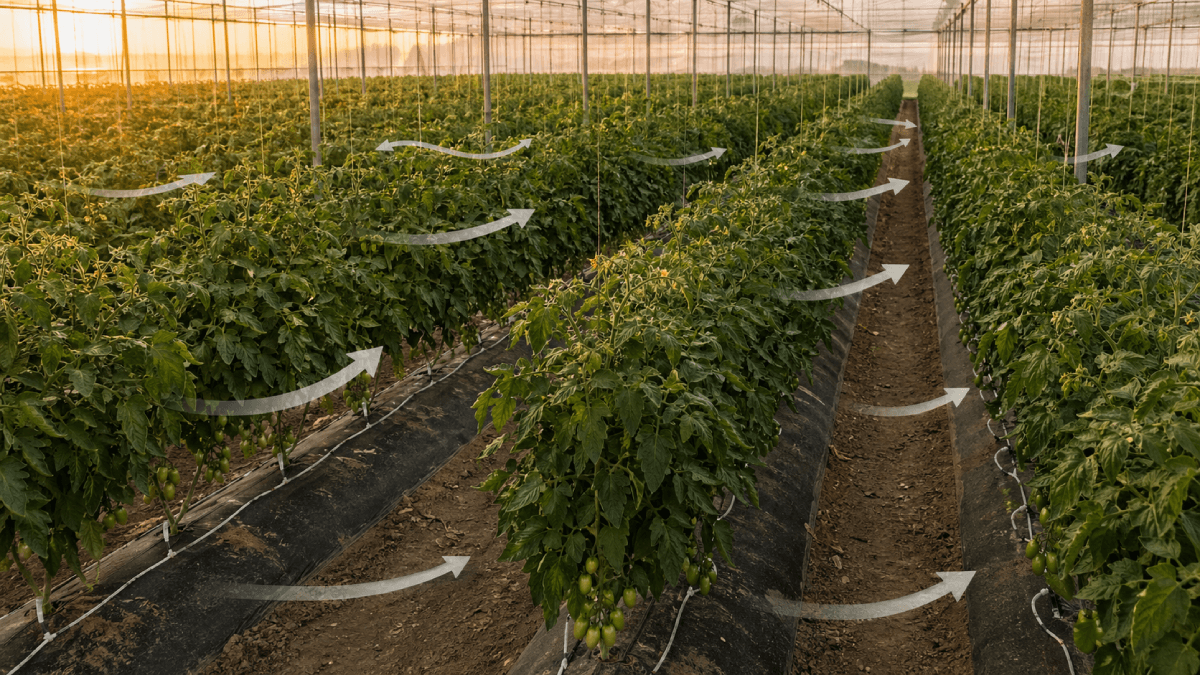
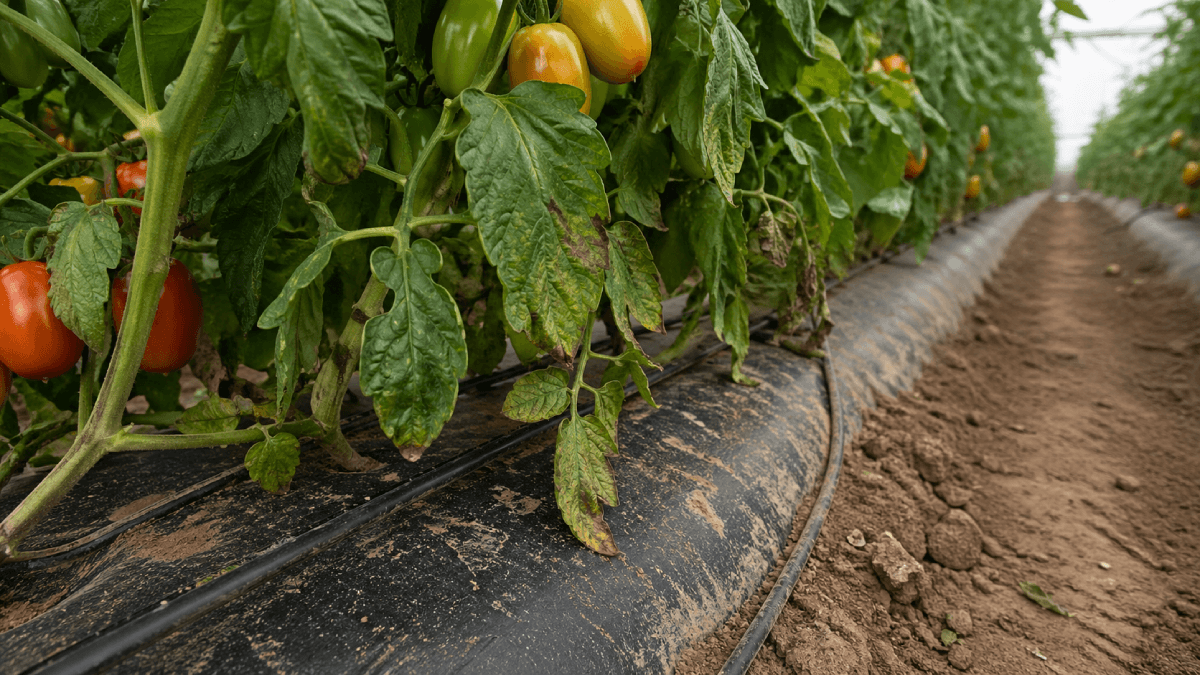
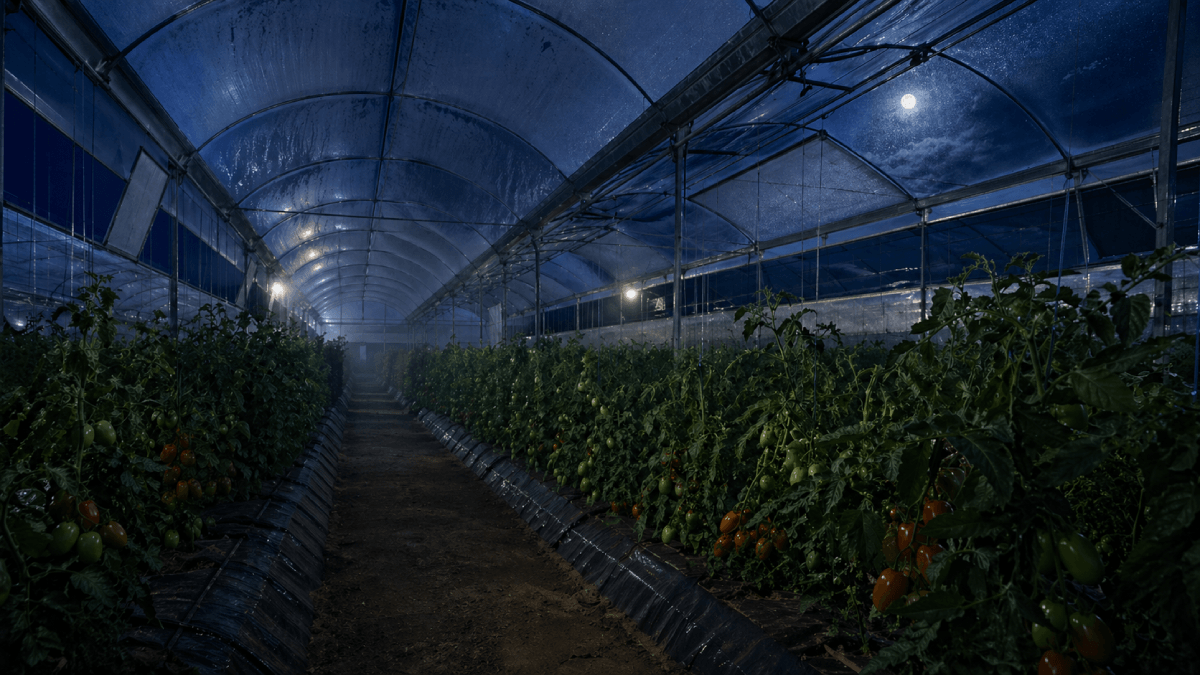
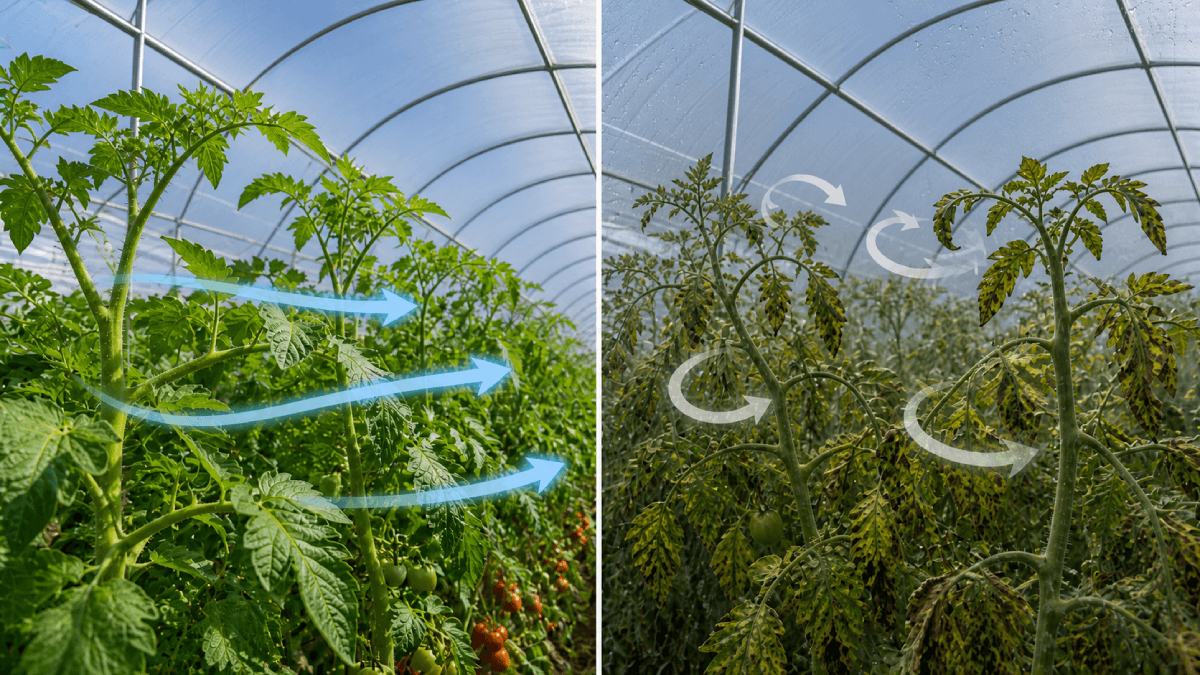
Humidity has stayed high for several hours. Risk of Botrytis, leaf mold, and mildew is increasing.
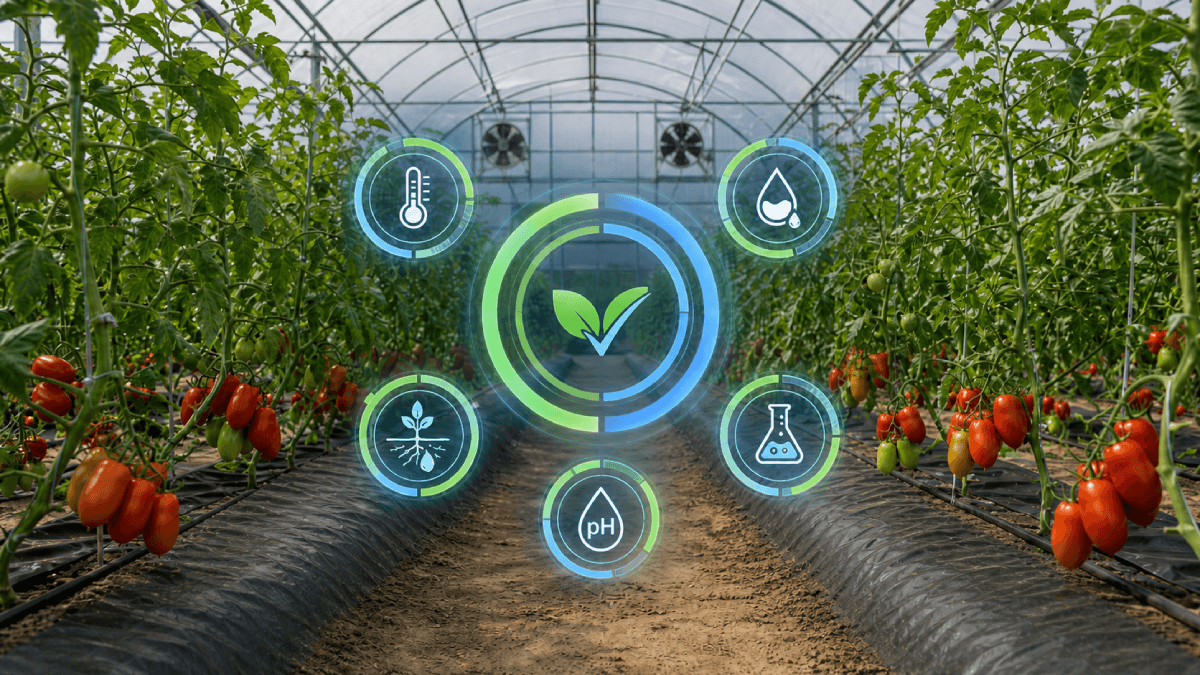
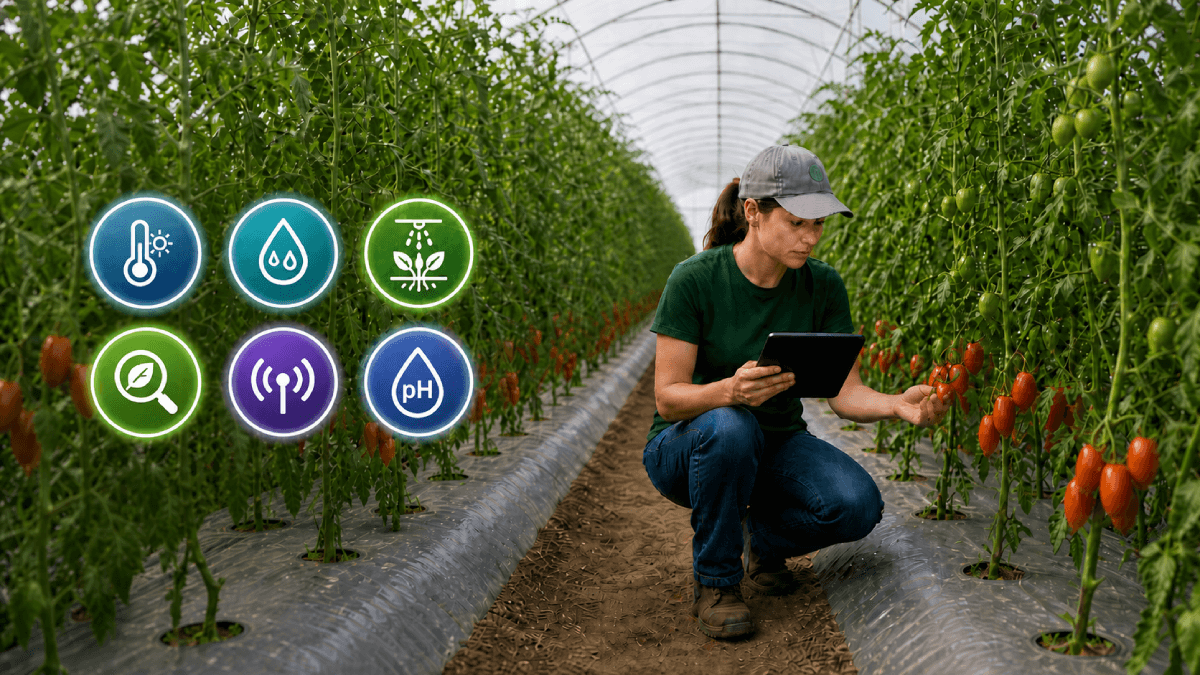
SignalVerde helps growers turn live greenhouse data into faster decisions, fewer surprises, and healthier crops.
Try for FreeSignalVerde turns greenhouse data into alerts, suggestions, and improvement goals so growers can respond quickly, prevent recurring issues, and keep each zone moving in the right direction.
Humidity has stayed high for several hours. Risk of Botrytis, leaf mold, and mildew is increasing.
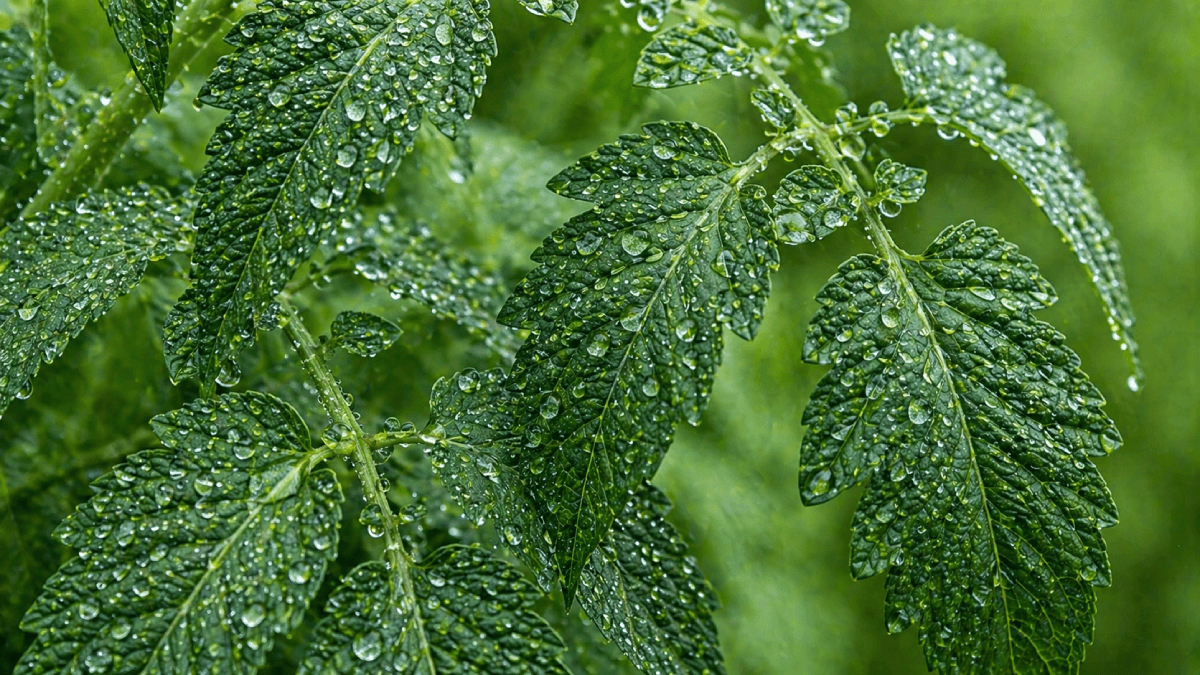
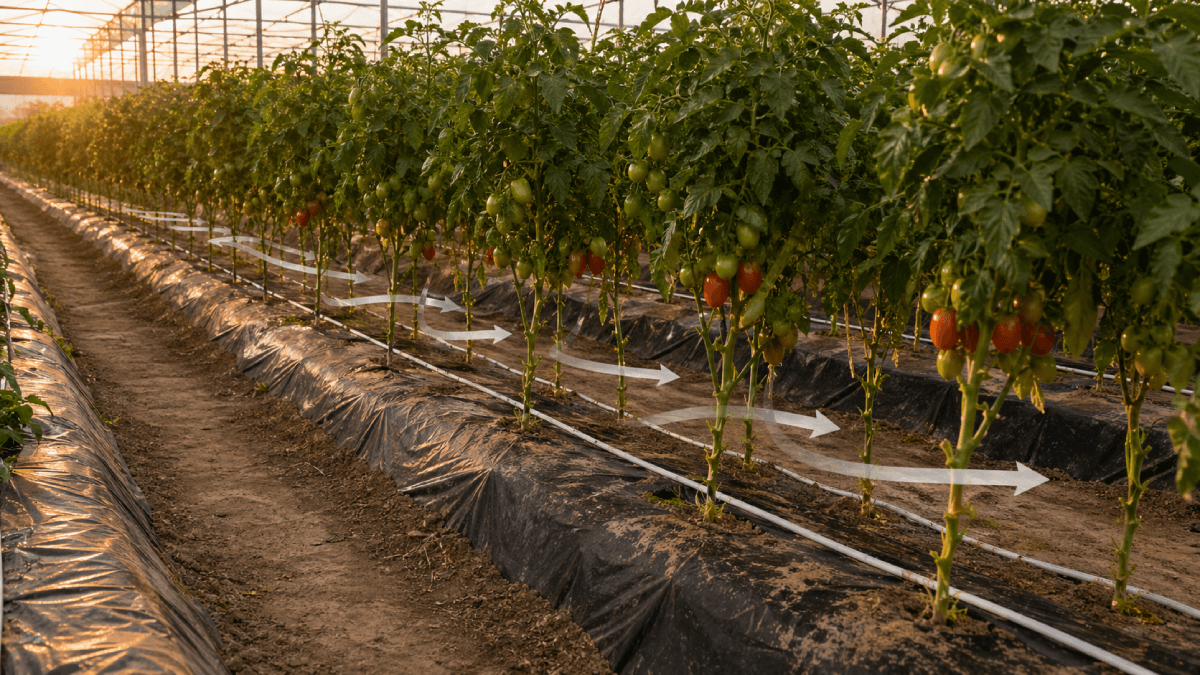
Conditions suggest condensation may form on leaves or greenhouse surfaces. Ventilation/dehumidification recommended.
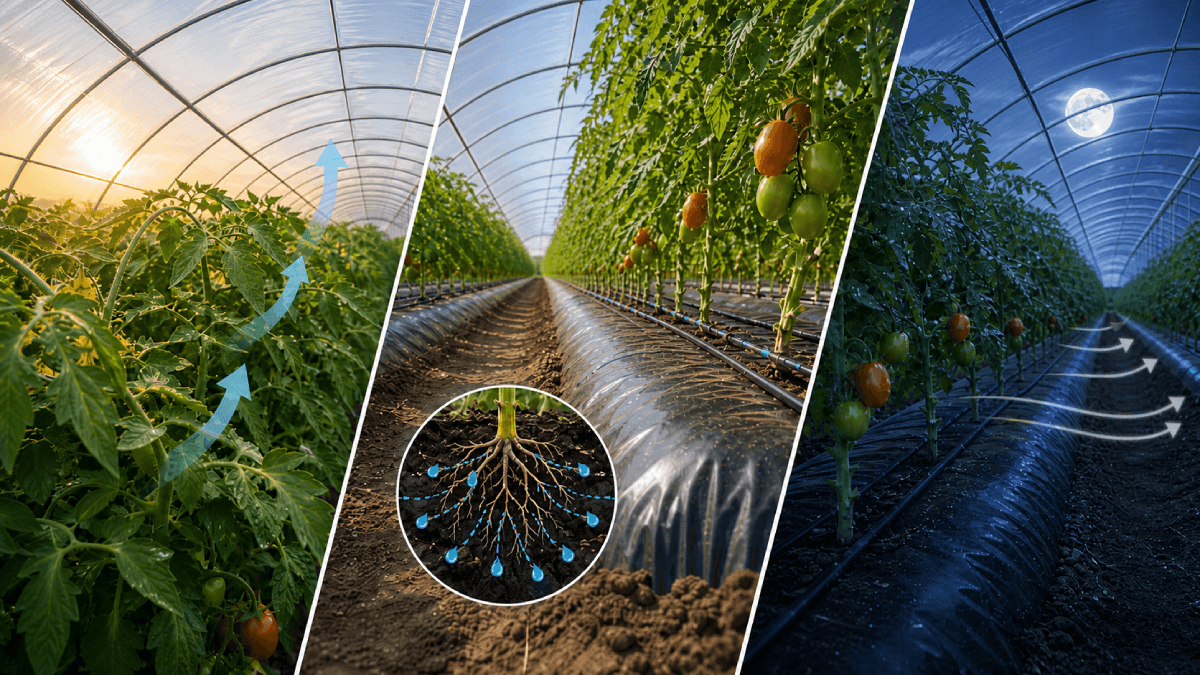
Night temperature is dropping below the healthy tomato range. Watch for slowed growth and nutrient uptake issues.
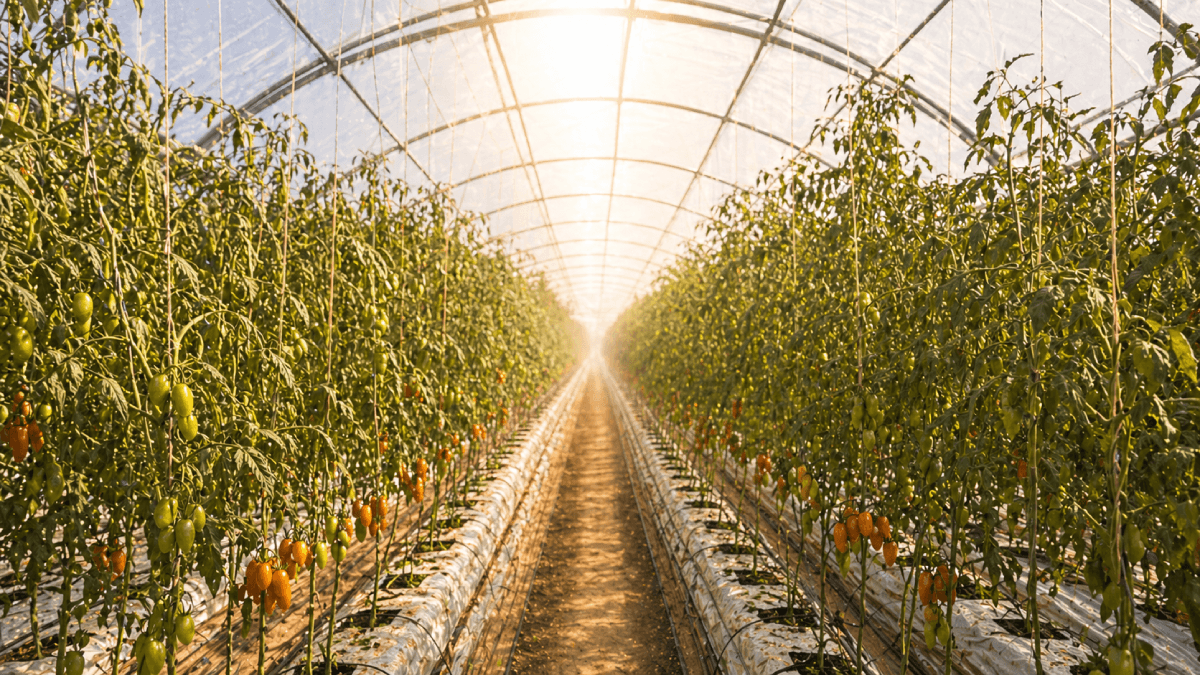
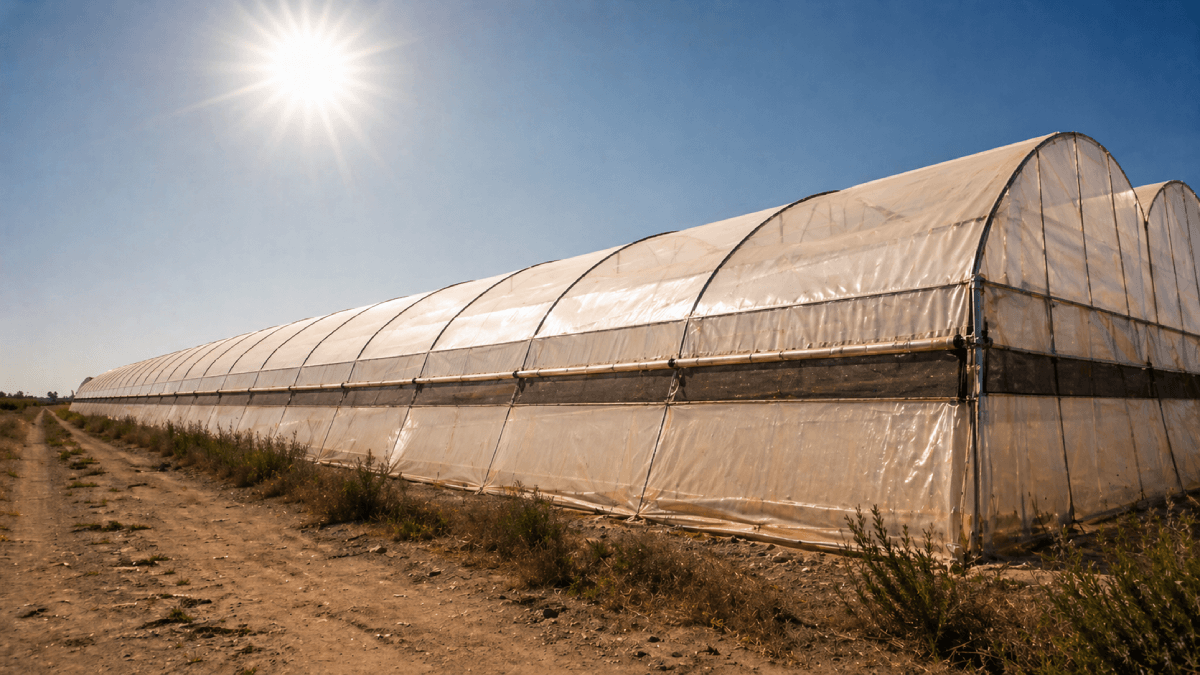
Greenhouse temperature is climbing into stress range. Consider venting, shading, or increasing airflow.
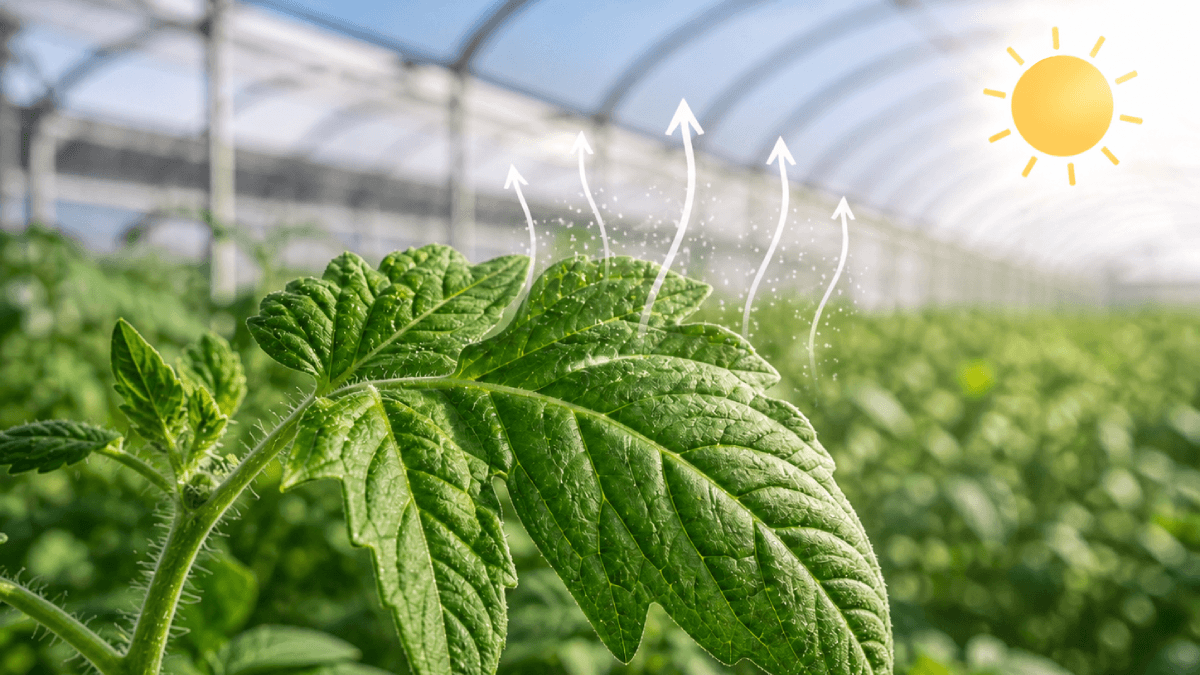
Air is too humid for strong transpiration. Plants may slow water and nutrient movement.
Air is pulling moisture too aggressively from plants. Watch for wilting, blossom-end rot risk, or uneven fruit development.
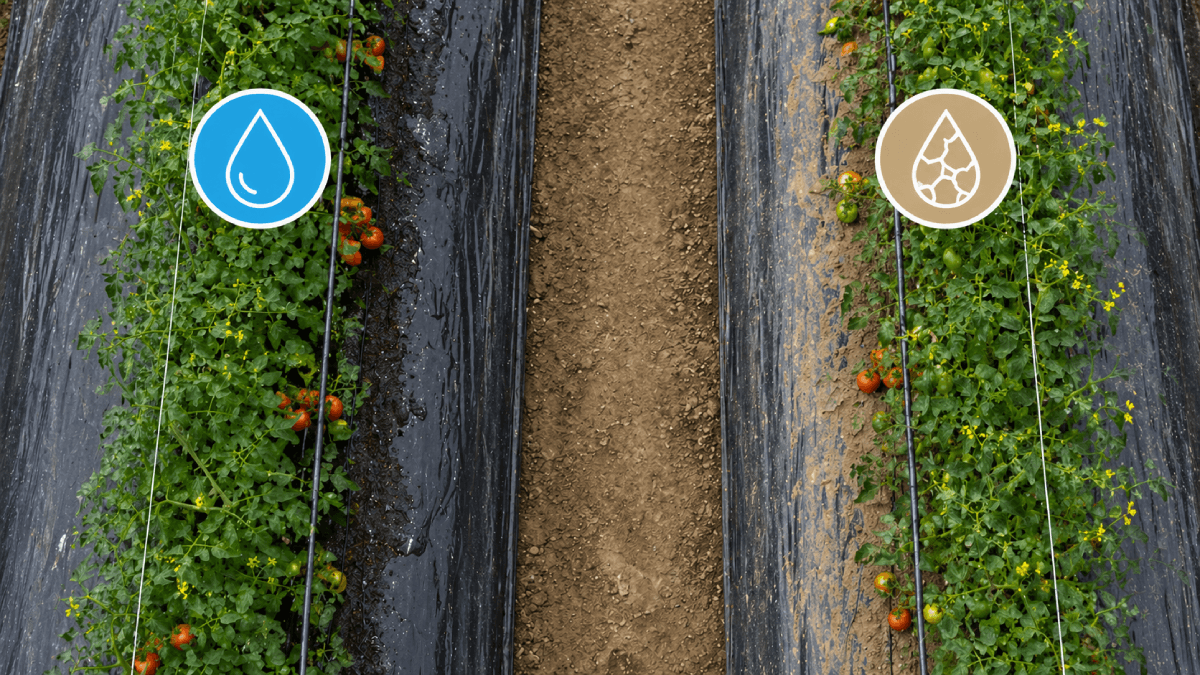
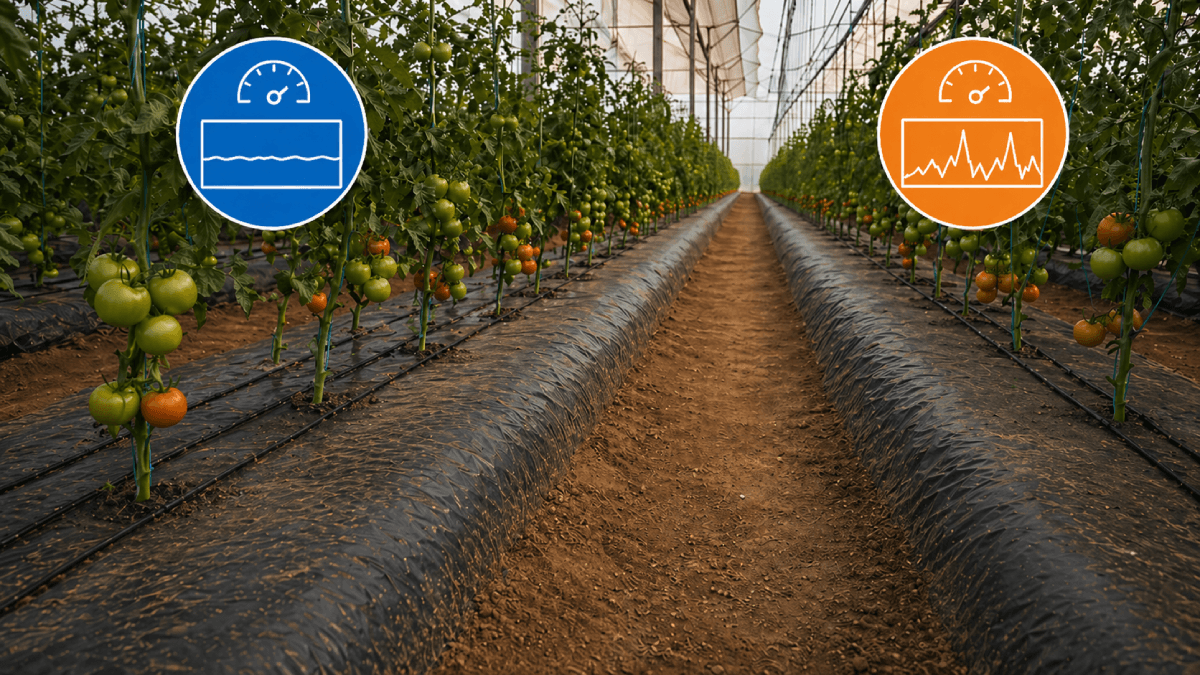
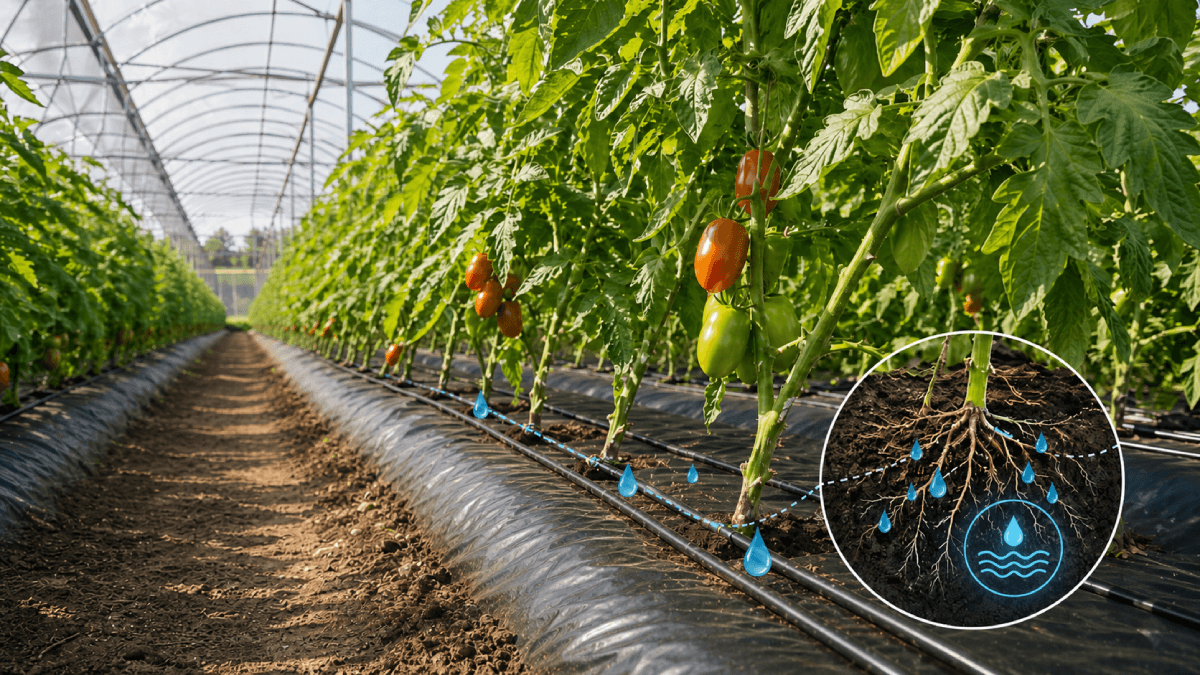
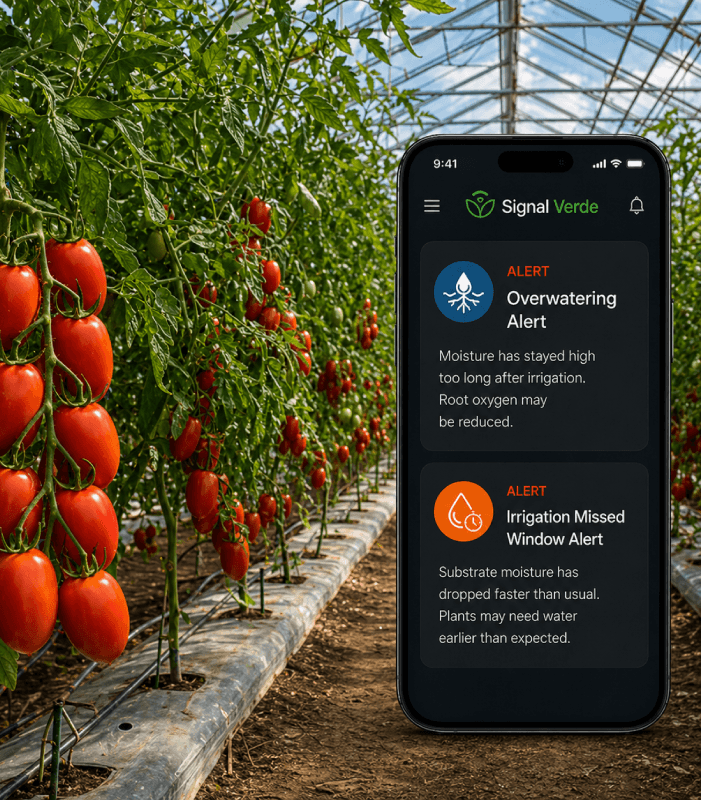
Substrate moisture has dropped faster than usual. Plants may need water earlier than expected.
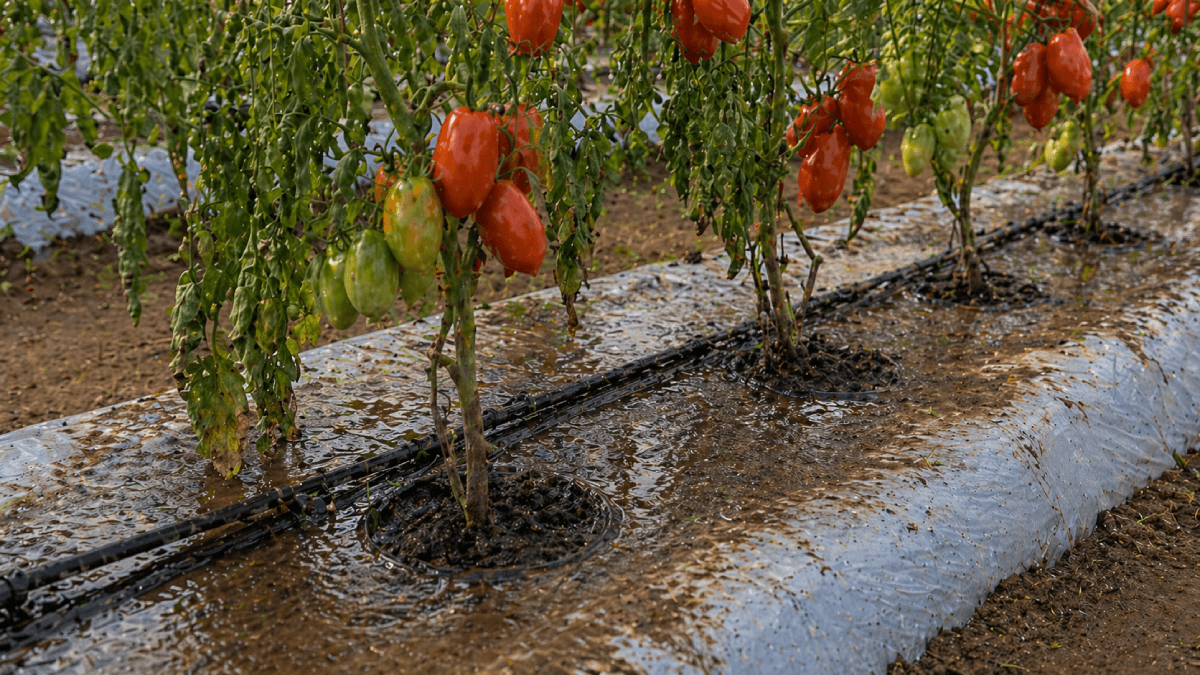
Moisture has stayed high too long after irrigation. Root oxygen may be reduced.
Root-zone temperature is outside the productive range. Nutrient uptake may be affected before leaves show symptoms.
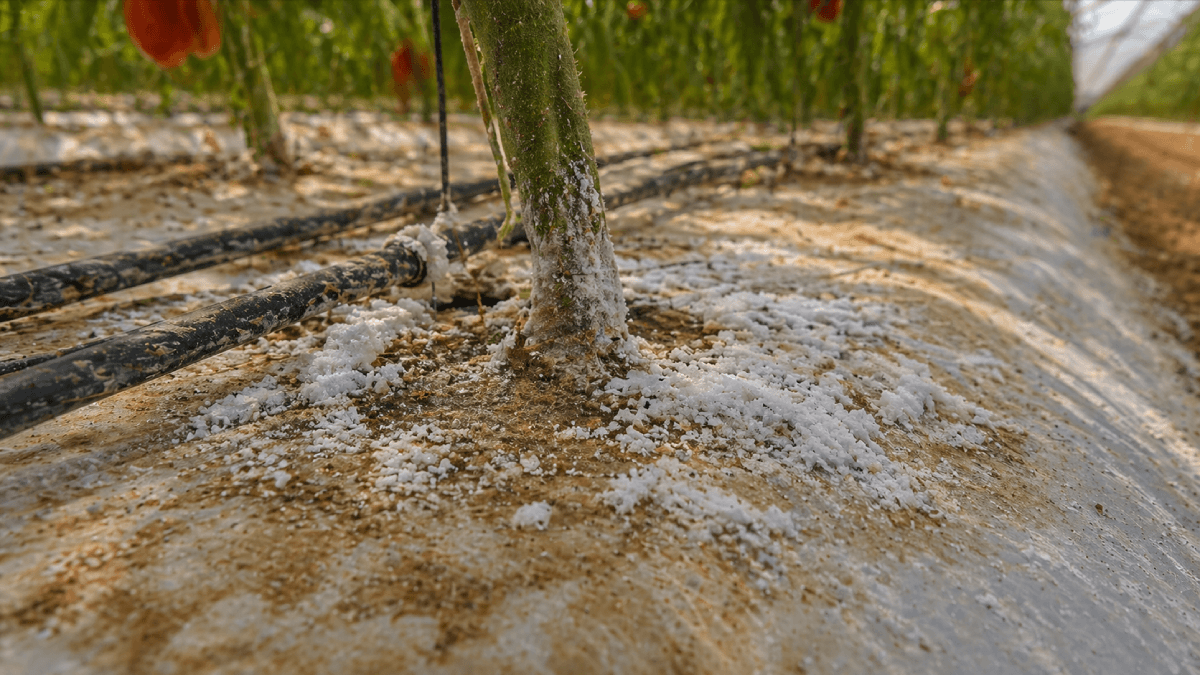
Nutrient concentration/salinity appears to be rising. Check irrigation volume, runoff, and fertilizer mix.
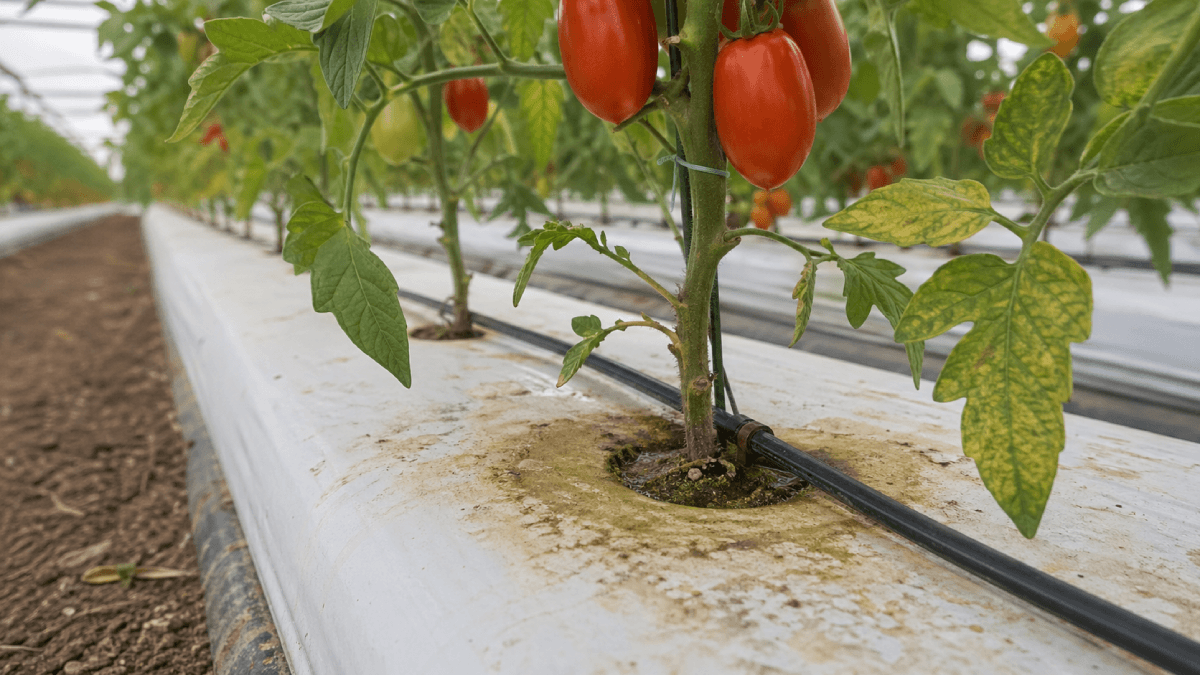
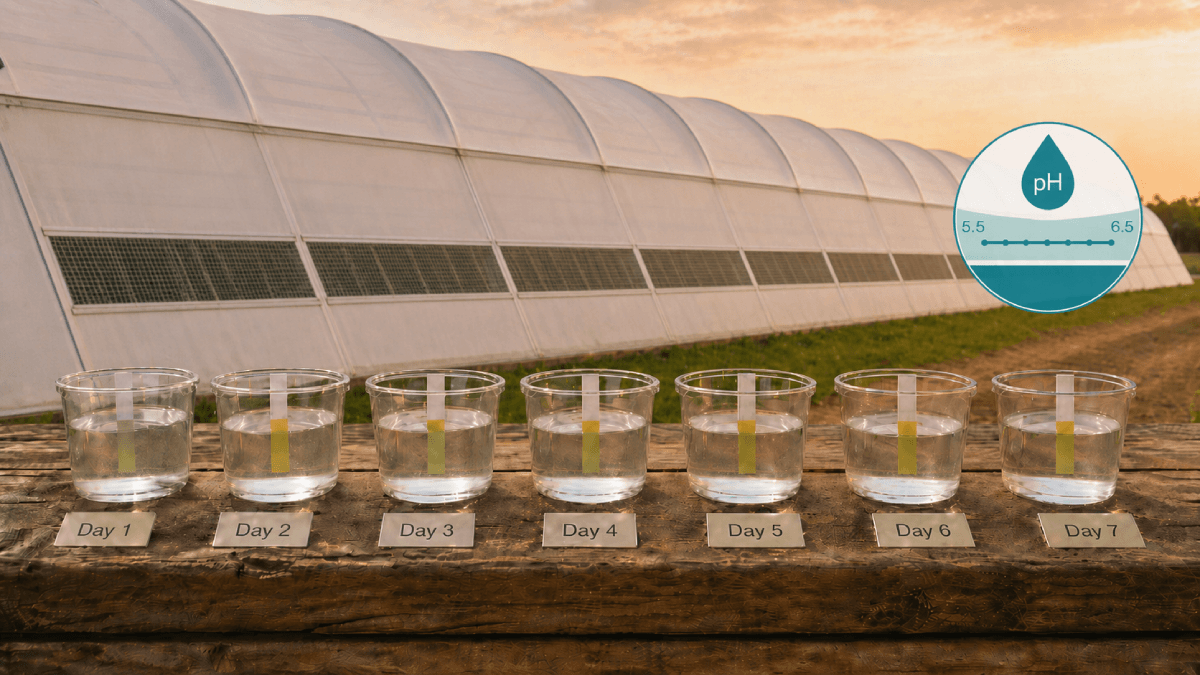
pH is moving outside the target zone. Nutrient availability may become uneven.
One or more sensors stopped reporting. Last clean reading was X minutes ago.
Humidity stayed high overnight. A short morning venting cycle may help dry the canopy before disease pressure builds.
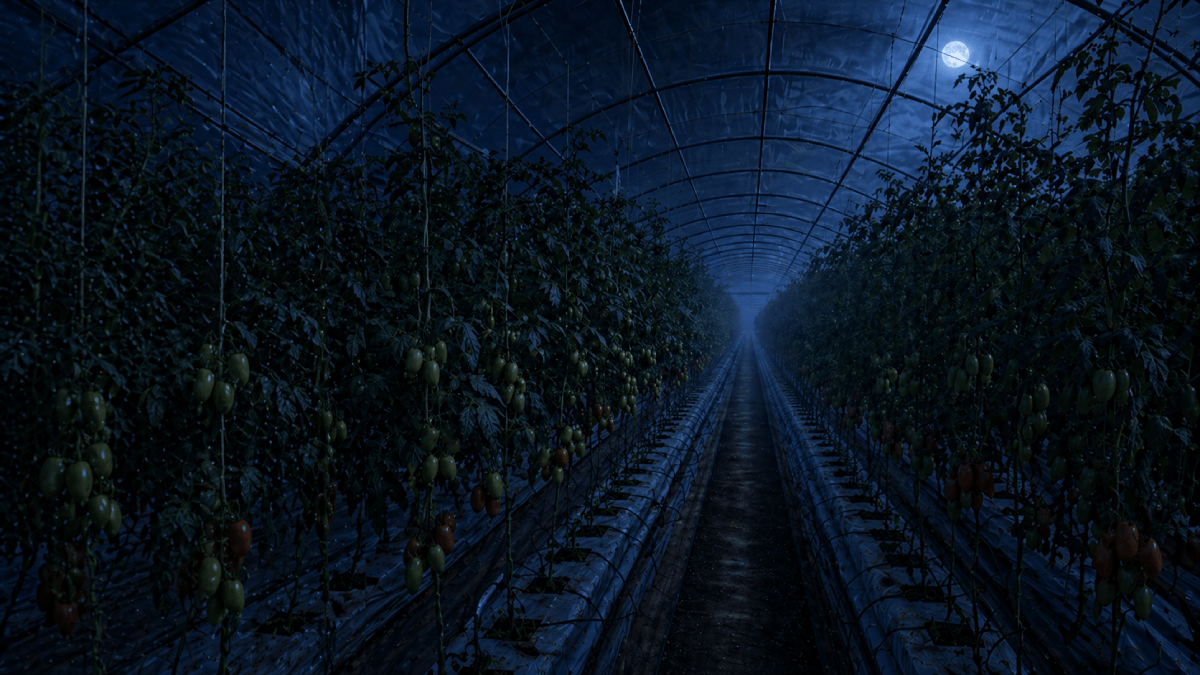
Tonight’s conditions may trap humidity. Consider reducing late watering and increasing airflow before sunset.
Moisture is dropping earlier each day. Consider shifting the first irrigation earlier by 30–60 minutes.

Substrate is staying wet into the night. Try reducing late-day watering to lower root and disease risk.
Humidity is high even when temperature is stable. This may point to dense canopy or weak airflow.
Lower canopy humidity is trending high. Removing lower leaves or improving spacing may help airflow.
Midday temperature spikes are repeating. Temporary shading may reduce plant stress.
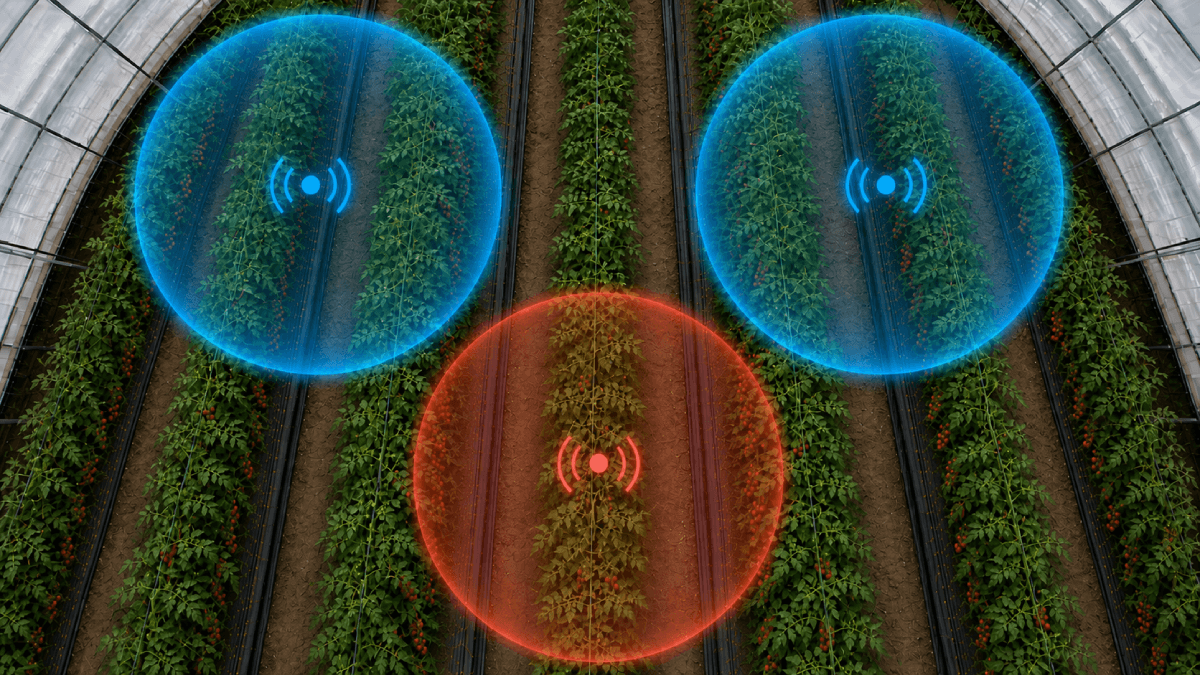
Moisture readings vary strongly between zones. One section may be under- or over-irrigated.
EC and pH are drifting together. Check stock solution strength, injector settings, and water quality.
Humidity risk has been high for multiple nights. Scout lower leaves and shaded areas for early fungal signs.
Plants are under repeated water stress during fruiting hours. Heavy fruit load may need steadier irrigation.
Keep day/night temperature swings within a stable range for one full week.
Cut total high-humidity nighttime hours by 25% this week.
Aim for leaves/canopy conditions to dry earlier each morning.
Reduce moisture swings between irrigation cycles over the next 10 days.
Bring the driest and wettest sensor zones closer together.
Keep EC from spiking between irrigations for five straight days.
Maintain pH inside the preferred range for seven consecutive days.
Reduce midday heat-stress events compared with last week.
Keep VPD in the productive range during the main daylight hours.
Lower weekly disease-risk hours caused by high humidity, low airflow, or condensation.
Maintain plant moisture stability while reducing unnecessary irrigation events.
Build a weekly rhythm: dry canopy in the morning, steady roots through the day, less wetness overnight.
Identify blind spots where sensors do not represent the real crop conditions.
Improve your weekly consistency score across temperature, humidity, moisture, EC, and pH.
Complete daily checks before problems show visually: climate, irrigation, disease scout, sensor health.
Dig into extensive historical greenhouse data manually, or let SignalVerde's AI spot patterns for you across humidity, temperature, pH, and EC so recurring issues are easier to understand and act on.
SignalVerde keeps the experience focused: clear alerts, plain-language suggestions, and the right greenhouse context when growers need to act.
No digging through charts just to figure out what changed. The app surfaces the signal, explains the risk, and points the team toward the next practical step.
No complicated setup. No power headaches. Everything runs on pre-installed long-term batteries that last up to 9 years. We send you a SignalVerde box with everything ready to plug in to your greenhouse.
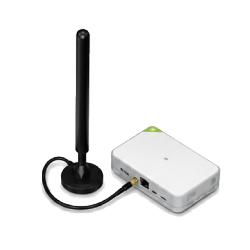
Your SignalVerde kit arrives ready to go, with the base station and greenhouse sensors packed together.
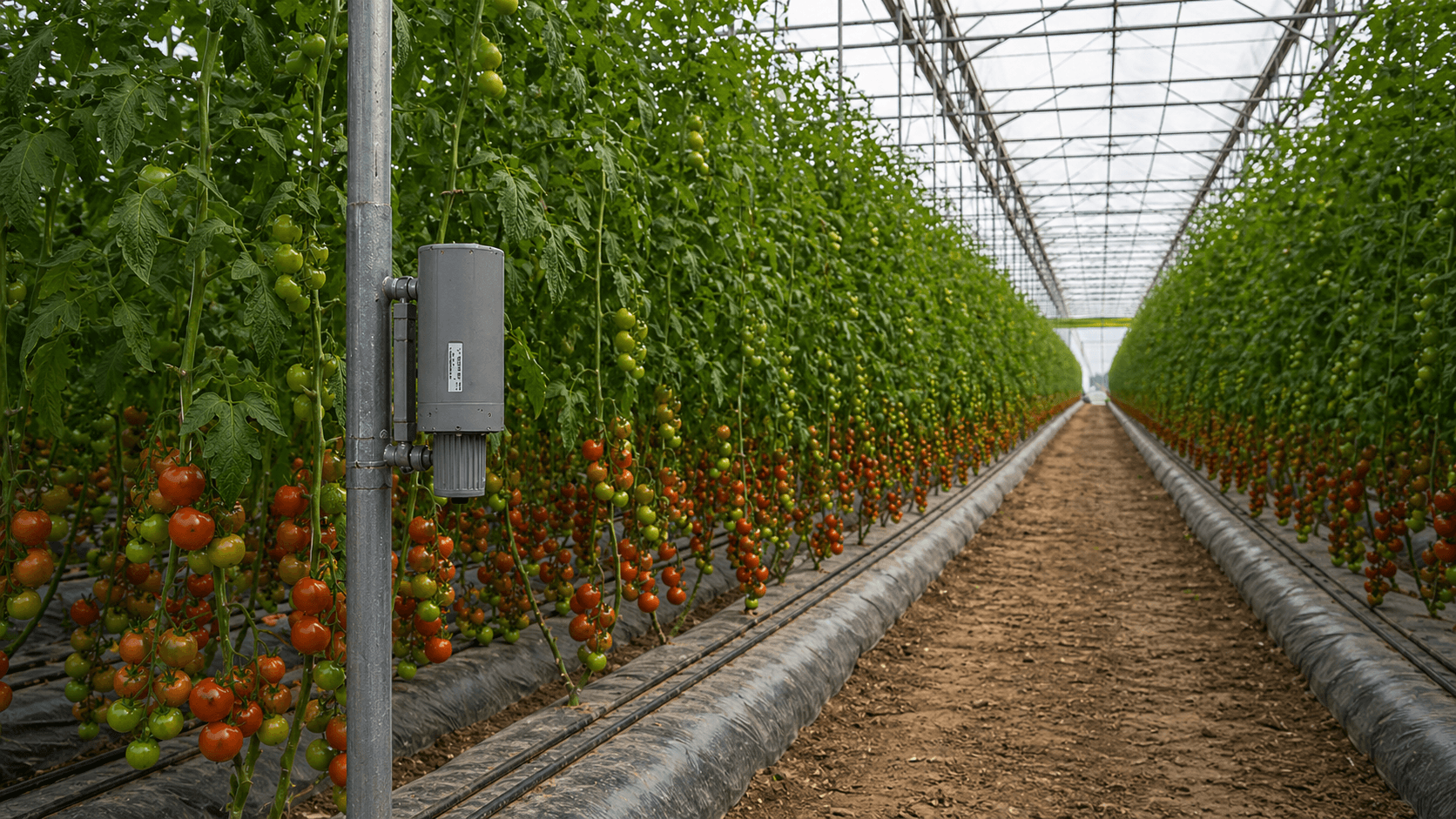
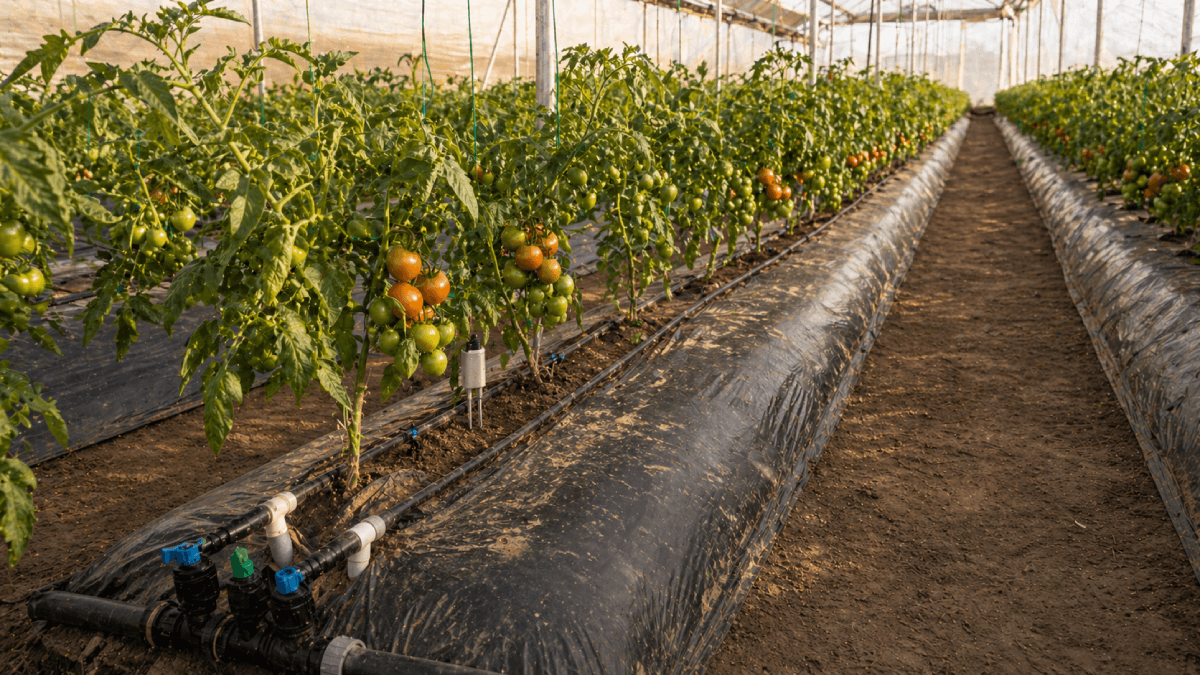
Put the sensors where they can read the real crop conditions: climate, moisture, and the signals that matter.
Connect an internet cable to the base station so your greenhouse readings can start moving into SignalVerde.
Start seeing alerts, suggestions, and greenhouse decisions in plain language.
“SignalVerde helped us catch patterns earlier and gave our team a clearer way to decide what needed attention first.”
SignalVerde helps greenhouse teams follow the key climate, substrate, and environmental measurements that shape daily growing decisions.
Barometric Pressure
CO₂
Light Intensity
Rainfall
Relative Humidity
Sensor Battery
Soil EC
Soil Temperature
Substrate Moisture
Temperature
UV
VPD
Wind Direction
Wind Speed
SignalVerde helps your team turn greenhouse signals into clearer priorities, earlier interventions, and better decisions before problems become expensive.
SignalVerde helps growers focus on the most important issue instead of guessing which reading deserves action.
Catch climate, irrigation, EC, pH, and temperature changes early enough to respond before crop stress becomes obvious.
Look back through historical greenhouse data to see when patterns started, how often they return, and what may be driving them.
Give everyone a clear, plain-language explanation of what changed, why it matters, and what action makes sense next.
SignalVerde's AI helps spot hidden patterns, repeated stress windows, and signal combinations that are easy to overlook manually.
“The app makes greenhouse data feel less overwhelming. Instead of staring at charts, I can see what changed and what to check next.”
SignalVerde uses SenseCAP sensors because they fit the greenhouse reality: long-range LoRa communication, long battery life, plug-and-play deployment, strong precision, and accessible cost.
LoRa helps readings travel farther across greenhouse zones without needing complicated wiring everywhere.
5–8 years of battery life helps reduce maintenance trips and keeps the setup simple after installation.
Place the sensors, connect the base station, and start collecting greenhouse data without a complicated install process.
Good sensor precision makes alerts, trends, and recommendations more useful when small changes matter.
SenseCAP gives us dependable greenhouse readings without the luxury price tag, making reliable sensor coverage easier to bring into more growing zones.
Pick the SignalVerde setup that matches how much visibility you want across your greenhouse from day one.
Best for growers who want simple visibility into the greenhouse climate signals that drive most early problems.
Temperature and humidity tracking Heat, cold, and condensation visibility Core alerts and plain-language guidance
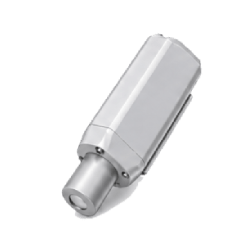
SenseCAP S2101: Air Temperature + Humidity Sensor
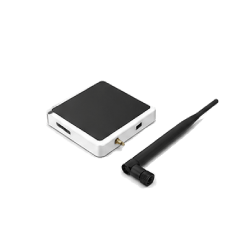
SenseCAP LoRa Gateway
SignalVerde App AccessBest for growers who want to connect above-canopy conditions with moisture, irrigation, EC, and root-zone behavior.
Climate plus substrate monitoring Moisture, root-zone temperature, and EC insight Irrigation timing and zone-balance support
SenseCAP S2101: Air Temperature + Humidity Sensor
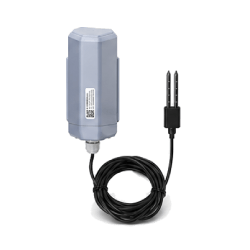
SenseCAP S2104: Soil/Substrate Moisture + Temperature Sensor
SenseCAP S2104: Soil/Substrate Moisture + Temperature + EC Sensor
SenseCAP LoRa Gateway
SignalVerde App AccessBest for growers who want fuller greenhouse visibility across climate, root zone, nutrition signals, history, and AI pattern spotting.
Expanded climate and crop-environment coverage CO₂, light, moisture, EC, and deeper trend visibility Historical deep dives and SignalVerde's AI pattern spotting
SenseCAP S2101: Air Temperature + Humidity Sensor
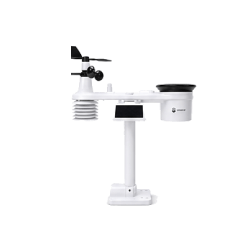
SenseCAP S2120: Weather / Climate Station
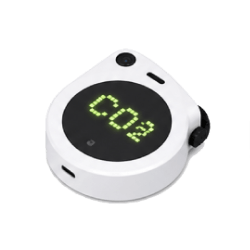
SenseCAP CO₂ / Climate Sensor
SenseCAP Light Intensity Sensor
SenseCAP S2104: Soil/Substrate Moisture + Temperature + EC Sensor
SenseCAP LoRa Gateway
SignalVerde App + AI Pattern SpottingSignalVerde runs VControl, our premier system for managing your spend, daily tasks, team, issues, notes and more.